
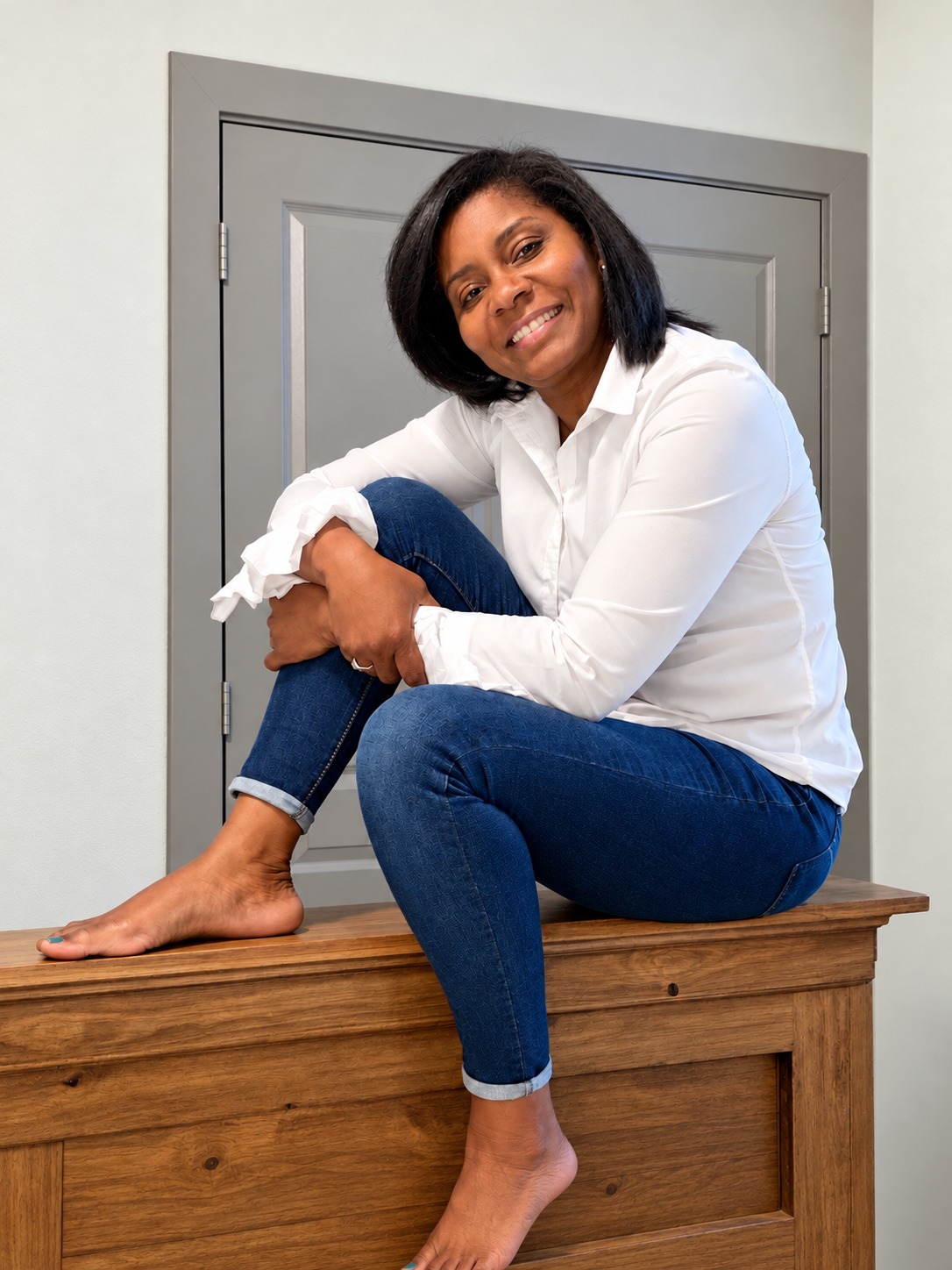
MY STORY, IN MY OWN WORDS
I was always the last to be picked.
Growing up in Guyana, we played outside all the time. When it was time to choose teams, the other girls would be chosen before me. There always seemed to be a reason. Someone was more outgoing. Someone was more developed. Someone seemed smarter. Whatever she had, I could usually find a way to convince myself I was missing it.
Then I would go home to a father who thought the world of me. He told me I was beautiful. He told me I was smart. He doted on me. His words contradicted so much of what I felt outside our home, and I am grateful I had his voice to carry with me.
But I also carried the fear of being called on to read in class. I had dyslexia, and something that seemed simple for other children could make me feel terribly exposed. So I grew up with two experiences of myself: the girl my father believed in, and the girl who kept wondering what everyone else could do that she couldn’t.
Even as a child, there were signs of the work I would one day do. In Guyana, Auntie Ethel would come to me with her problems. I didn’t have a coaching title or a business. I was a child, yet people were already bringing parts of their lives to me. When I look back now, I can see that the desire to understand and help people was there long before I knew what to call it.
As I got older, I learned to look confident. I dressed well. I knew how to carry myself. You could have looked at me and had no idea how much comparing and questioning was still happening underneath.
And then I fell in love.
There is a part of our beginning that matters to this story. My husband and I were both married to other people when we got together. We broke promises to our spouses to be with each other. That was part of the insecurity I carried into our relationship. Knowing how we began gave my fear something else to hold on to.
I married a man I thought was incredible. The trouble was, plenty of other women thought he was incredible too. Those old feelings came right back. Was I enough? Did I measure up? What did someone else have that I didn’t?
I spent too much of the early part of my marriage trying to prove my worth and making compromises because I was afraid of losing my husband and my family. I want to be clear about that: those were my choices. Other people’s actions affected me, sometimes deeply, but fear was influencing the decisions I was making. I had to become honest with myself about that.
I took a part-time job at The Limited to learn retail. It didn’t take long for me to decide I wanted to become a manager. I went home and announced it to my family. Their response was understandable: “Mom, aren’t you a salesperson?”
I told them, “I know what I am currently. However, I know where the need is, and once I know where the need is, I can fill it.” The store was struggling with credit card applications, so I paid attention to the customers coming through the door and learned how to explain the offering in terms that mattered to them. In about two weeks, I had generated more than 70 applications and was promoted to assistant manager. Within three months, I was offered my own store. Family responsibilities meant I couldn’t accept, but the experience stayed with me.
I could recognize an opportunity at work and go after it, while still struggling with insecurity in my personal life. Both were true of me. And one of the moments that made me look seriously at that struggle was my real estate exam.
But before I tell you about that exam, you need to understand what it took for me to get there. I chose a nine-day classroom crash course. At the time, my understanding was that people commonly spread their real estate studies over about three months. I was taking it on in nine days, with dyslexia and all the fears I already carried about learning.
That was a tremendous challenge for me. With God’s help and my husband’s support, I completed the course. I had done something I would once have assumed was beyond me. It made me question how often I had decided I couldn’t do something before giving myself the opportunity, the support, and the work it would take to try.
Then, before the exam, my husband and I had an argument. I went into that room carrying the conflict with me. I failed by two points.
Two points. After preparing for one of the biggest tests I had ever taken, I was devastated. I began to see how much of my attention and energy I was giving to fear and conflict, while the things I wanted for my own life were suffering.
That day, I promised myself I would begin making decisions that were good for me and my family. I was still frightened. I loved them. I didn’t want to lose them. But I knew I couldn’t keep living the same way and expect my life to move in a different direction.
Soon afterward, I was baptized. I thought giving my life to God would make things easier. Some things became much harder. Living by His Word meant making decisions that weren’t always welcomed or understood. There were moments when it would have felt easier to give in, just to quiet my own fear.
I kept going back to my faith. As I learned to stand by my convictions, I began to see changes in how I responded, what I accepted, and how I handled conflict. It happened gradually enough that I didn’t always notice.
THE LIFE BEHIND THE LESSONS
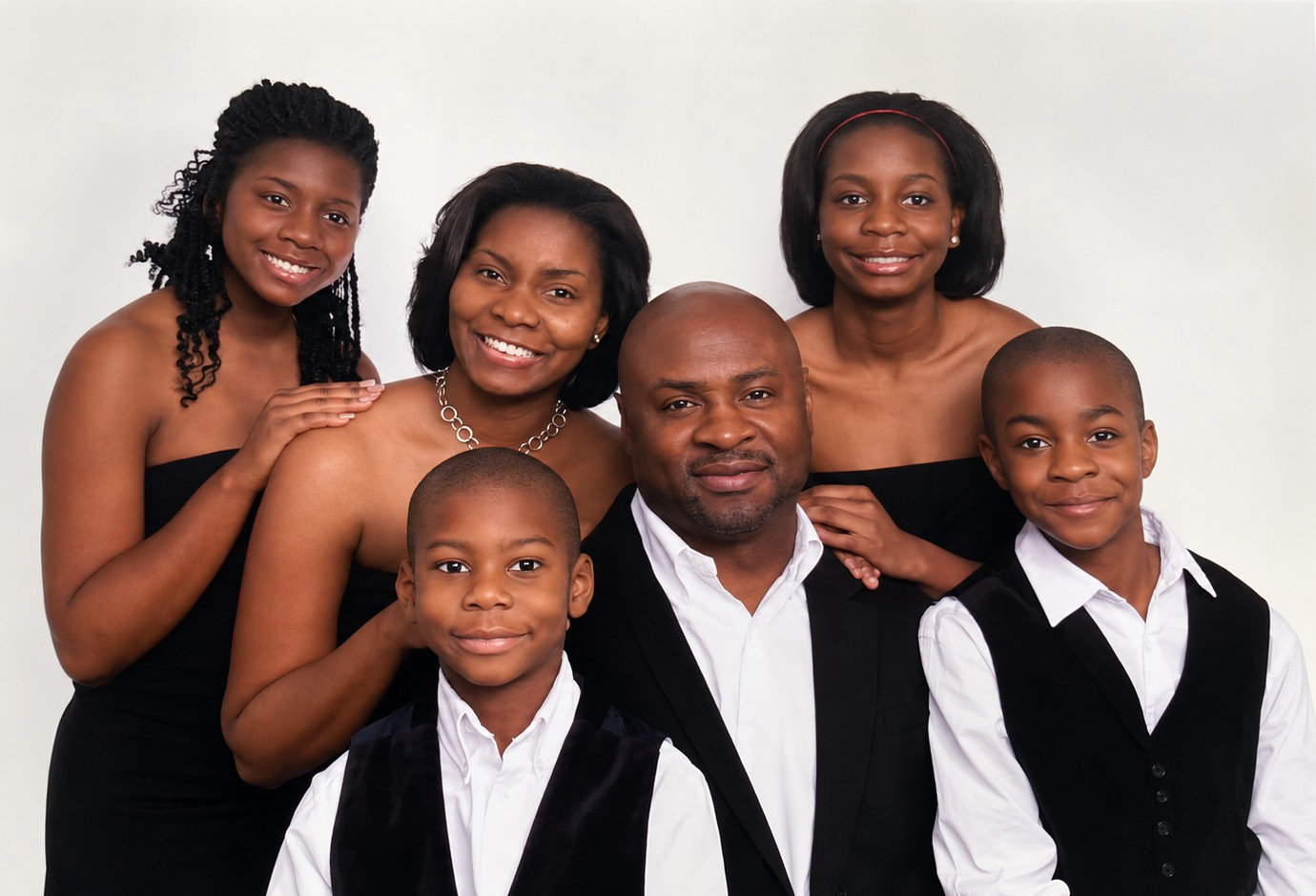
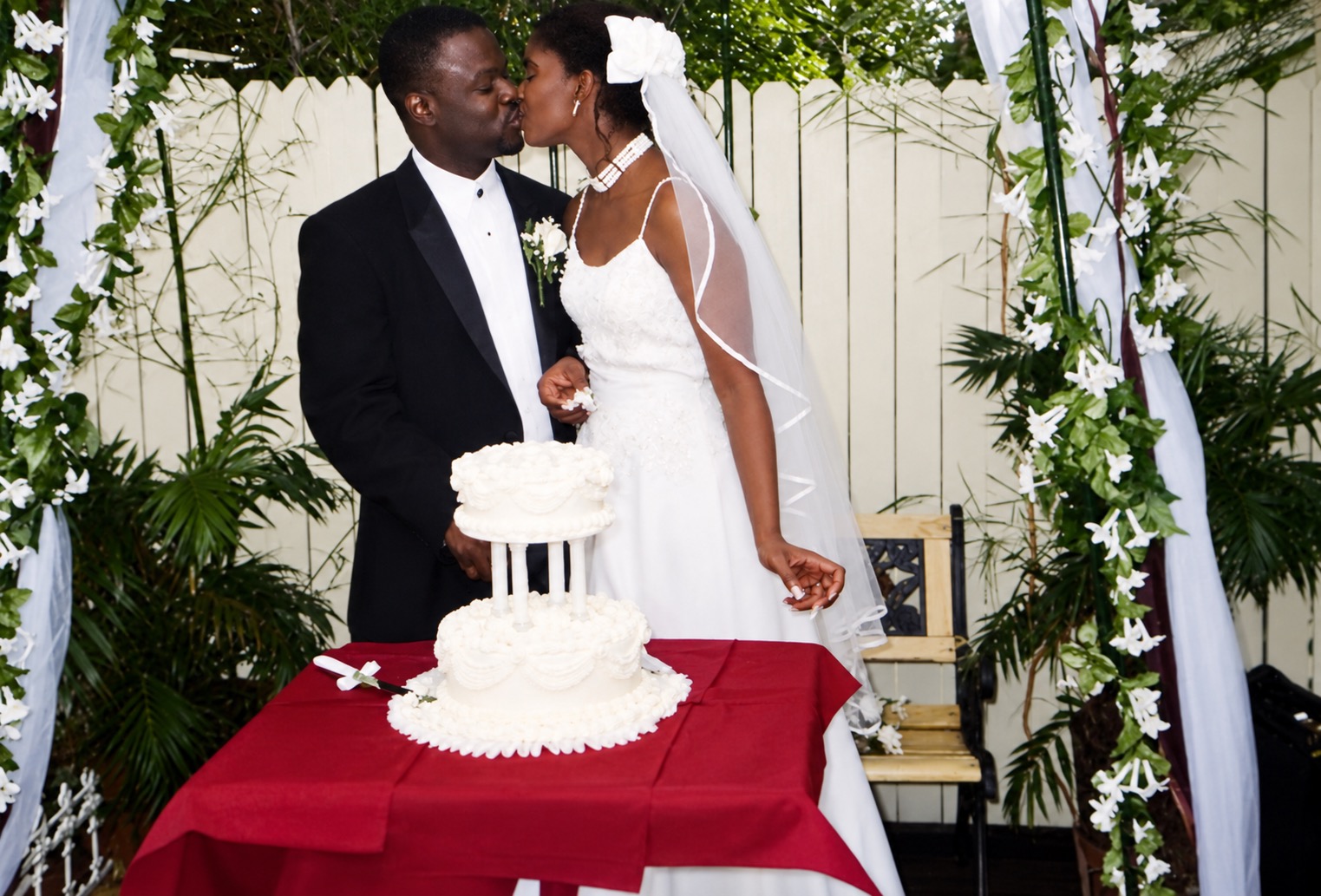
Family. Love.
A life of shared moments.
My story is also a family story. These photographs hold some of the moments that are part of the woman behind the coaching.
Someone else helped me see how far I had come.
A cousin began turning to me for relationship guidance. As she talked about her insecurities and the arguments she was having, so much of it was familiar. I understood the anger that could come from feeling unsure of yourself. I understood wanting to be heard and expressing it in a way that made being heard even harder.
I started helping her think through how to speak, how to navigate conflict, and what she actually wanted a conversation to accomplish. Somewhere in those conversations, I realized I was teaching things I had learned to do differently myself.
I was still working through my own challenges. But sitting with her, I could recognize growth I had been too close to see.
I kept helping people. Friends would call, and we would find time to talk. I had felt drawn to this kind of work since childhood, although I wasn’t yet calling it coaching. Meanwhile, I was also cooking and catering, and I decided that might be where I should build my future.
I enrolled at Le Cordon Bleu in Pittsburgh. I was excited. Cooking was something I knew I did well, and I thought I could excel there without my difficulties with writing getting in the way.
One week before classes were supposed to begin, the school closed.
I was heartbroken. Eventually, someone suggested I try the community college. I found a culinary programme that included business marketing, which meant facing the academic work I had been hoping to avoid. I went anyway.
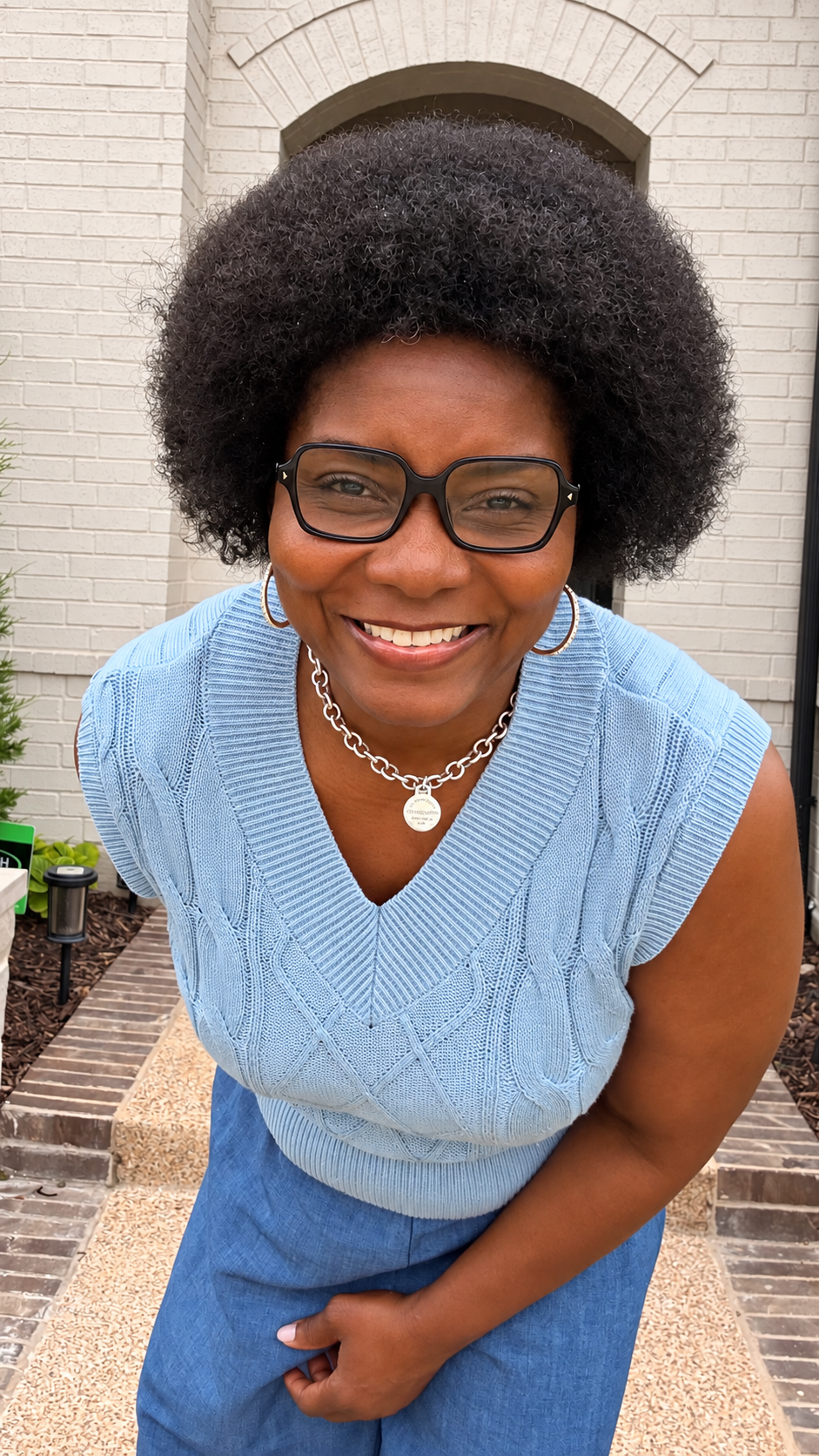
Let me tell you about learning to ask for help.
One professor looked at my writing and assumed English was my second language. It wasn’t. My writing had so many difficulties that she thought I was struggling with a language barrier. She offered me a tutor and reassured me that she understood my difficulty because of the language barrier. I had a whole response going on in my head. English was my language! But I didn’t interrupt her or correct the assumption. I allowed her to continue believing it, and I took the help she was offering.
Later, another professor told me I had written a wonderful story, but he’d had to fill in the missing words. He encouraged me to find a way to hear what I had written. So I started reading my work aloud, recording it, and listening. Then I could hear what my eyes had missed. My oldest son helped me proofread, too. His help was part of how I learned to catch what I was missing.
It took work. Sometimes it felt like I had to do something ten times before I could get it where it needed to be. But I was learning how to work with my challenges, and with that came a thought I hadn’t allowed myself very often: I could do more.
My husband was a big encourager of me going to school, and that belongs in this story too. There were difficulties in our marriage, and there was also support he gave me that mattered. I want to give him that credit. His encouragement, along with my oldest son’s help with my writing, was part of that journey.
When I decided to continue my education, I searched high and low for a programme that would fit what I believed God had put in my heart. I chose La Roche University to study leadership.
Getting there was one thing. Getting through the work was another.
Every class seemed to require writing. Even in calculus, my professor wanted a written interpretation of the chapter. I had gone in expecting mathematics, and there I was, facing the very thing that had made me feel insecure for so much of my life.
I got help with that first assignment. When I handed it in, the professor told me that taking material out of the book was not what he was looking for. He wanted my own interpretation. If I did it again, he said, he would fail me.
That day, I made a decision: I would bust my butt if I had to, but I was going to get my degree. I had to learn to put my understanding into my own words, however much work it took.
About a year into that journey, one of my professors asked if he could use my paper as an example of great writing.
I was floored.
This was the same woman whose earlier professor had assumed she couldn’t write well because English must be her second language. Now someone wanted other students to learn from my writing. I knew how many revisions, how much help, and how much determination sat behind that paper. That compliment meant more than the professor could have known.
Then God gave me a blessing I will always treasure: I graduated with my bachelor’s degree on May 6, my birthday. To receive that degree on the day I was born was deeply personal to me.
I went on to earn my coaching certifications and continued investing in my education. Years after those early experiences, I became the author of two books.
Who am I? Whose am I? I am…
Those words on my first book, The Discovery, were chosen with intention. I had lived those questions. I wanted the person working through the book to be able to finish that final statement for themselves.
Along my own journey, I came to understand that I am a creation of Almighty God, made in His image and born with a purpose. I am a woman of faith who believes she was created for a reason. I am a woman, and I am also a wife, a mother, and so many other things. Those roles matter to me, but I needed to understand the person carrying them.
I began to look differently at the things I had used as evidence that something was lacking in me. Dyslexia still required work and support. Yet I could see that my way of thinking, my experiences, and the things I had learned to navigate could also become part of how I served. Being different no longer had to mean being disqualified.
That is what I want readers to explore: who they are, whose they are, and the purpose and possibilities within their own lives. I want them to reach “I am…” with something meaningful to say.
Writing that book was one of the hardest things I have ever done. Pages came back with corrections, and I worked through them again. And again. My faith sustained me through that process. I believed in the God I served, and I believed I had a responsibility to do the work. Finishing meant a great deal to the young girl in me who once thought something like that was beyond her.
It has always come back to people.
That desire to understand people also shaped my professional work. At Chick-fil-A, where I worked as an HR director, I paid close attention to culture. People came from different homes, communities, and countries. Those experiences influenced how they communicated and what they understood. When we didn’t understand one another, it was easy for conflict to grow.
Recognizing that made emotional intelligence much easier to put into practice. I began asking what people knew, what they needed, and what we might be assuming they already understood. How could we expect employees to promote our app when many of them didn’t know how to use it?
With the owner’s support, I created a WhatsApp learning challenge involving 103 team members. I went to neighboring businesses and exchanged our freebies for theirs so I could offer prizes. Team members researched answers because they wanted to win. While they were doing that, they were learning. Even the people who didn’t answer first learned from the answers being shared.
We went from approximately six employees using the app to 85 out of a team of 103. That meant about 83% of our team was using it by the end of the challenge. The people at the register could now talk about something they understood and had experienced for themselves, and that contributed to increased sales at our location.
My operator, Corey, recognized the strengths I brought and gave me room to use them. My responsibilities grew beyond human resources. I became a culture ambassador, went into schools to recruit and speak with young people, helped represent the business in the community, and helped create and appeared in one commercial.
I was also invited to other Chick-fil-A locations because they wanted to understand what I was doing differently at ours. That meant a great deal to me. The work I was doing with our people had become something others wanted to learn from.
There was an array of responsibilities, but they all sat under the same umbrella: people. How were people seen? How were they received? How were they treated? Where did we need to bridge a gap in understanding or diversity? Those questions never stopped mattering.
At Nigel Mark, I began by visiting as an unidentified shopper. What I saw made it clear that the store’s policies and everyday practices were far apart. Changing that meant looking at the culture from leadership down, clarifying expectations, retraining people, hiring, and making difficult staffing decisions. I wanted employees to feel they were part of something bigger than coming in to collect a paycheck. That year, the business achieved its highest annual sales since opening.
In each setting, I kept coming back to understanding people. What do they need? What information are they missing? What has shaped the way they respond? Once I understand more of that, I have a better chance of communicating in a way that reaches them.
I needed guidance, too.
Throughout my own development, I have had personal, business, and spiritual coaching. Those coaches have played important roles in my life. I know what it means to need someone to help you see more clearly, ask you a difficult question, or support you as you put something into practice.
Two particular influences were group coaching with John Maxwell and group coaching workshops with Myron Golden. I had purchased a coaching package with John and learned in a small group. What stood out to me in both men was the way they lived and applied their spiritual and biblical beliefs in business.
I had heard warnings about pushing your beliefs on other people, and I wasn’t always sure how openly I could bring my faith into my work. Watching them helped me understand that I could be honest about what guides me and serve people who aligned with that approach. I didn’t have to appeal to everyone.
They gave me an example of how to take God’s Word and make its principles practical in leadership, service, and business. That helped me grow more confident in doing the same through my coaching.
That is the person you meet when you work with me.
You meet someone who has had to question her own beliefs, accept help, take responsibility, and keep practising what she was learning. My faith remains central to that work. So does my curiosity about the person sitting in front of me.
When you tell me you feel stuck, I want to understand what is keeping you there. Perhaps you learned to stay quiet to keep the peace. Perhaps you have spent so long being dependable that you no longer know how to ask for support. Perhaps a message you heard as a child still influences what you believe you can attempt today.
Those experiences deserve to be understood. The circumstances around them can create real difficulties. Together, we can explore what is happening now, what support you need, and which choices are available to you.
That is why I begin with self-discovery. Before we work on how you connect with a partner, a family member, or a team, we make room to understand you. Your needs. Your values. The patterns you want to change. The strengths you may have stopped noticing.
I still manage some of the challenges I have shared here. They don’t get to make all my decisions anymore.
If something in my story sounds familiar, you don’t have to arrive with a polished explanation of your own. Tell me what has been happening. We can begin there.


